
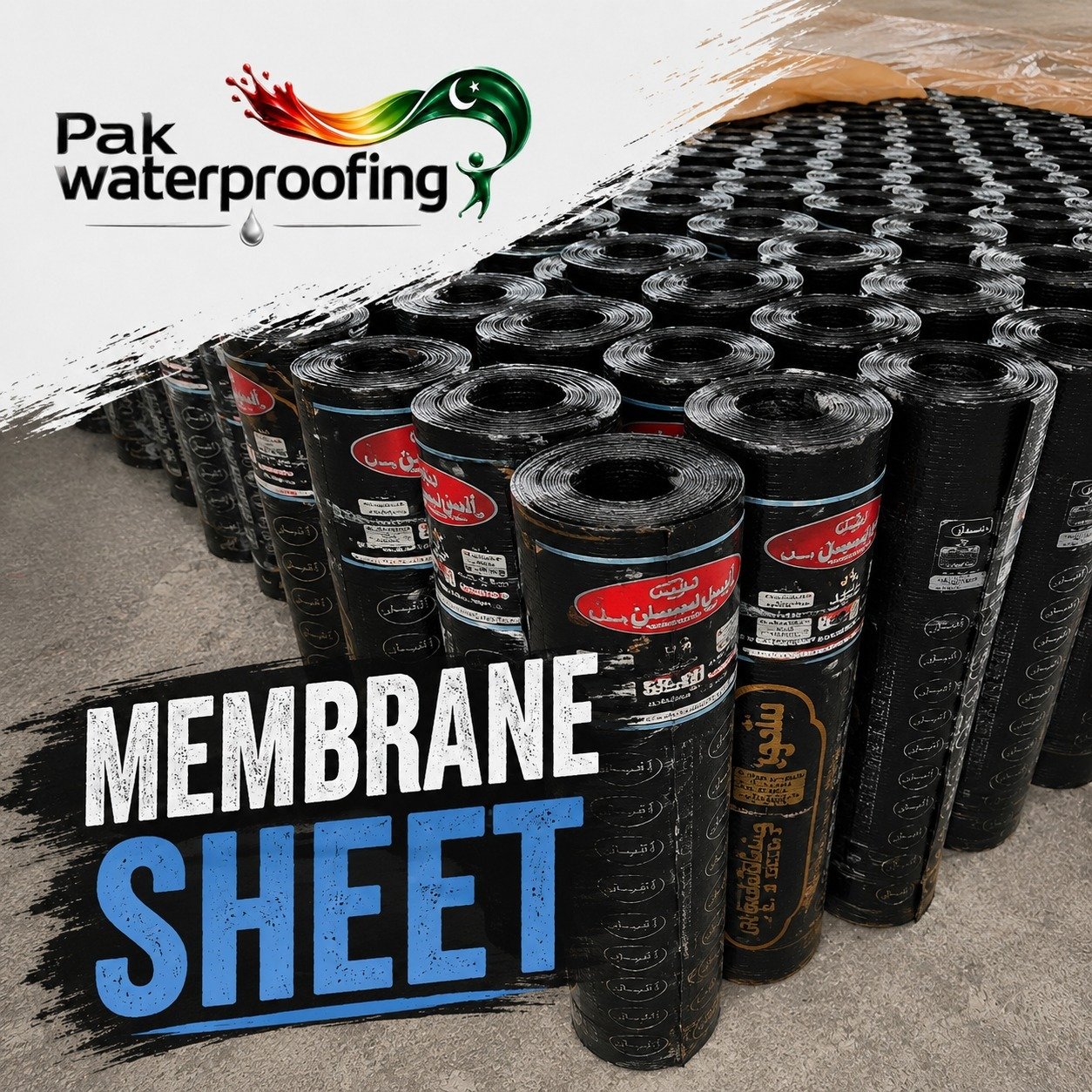
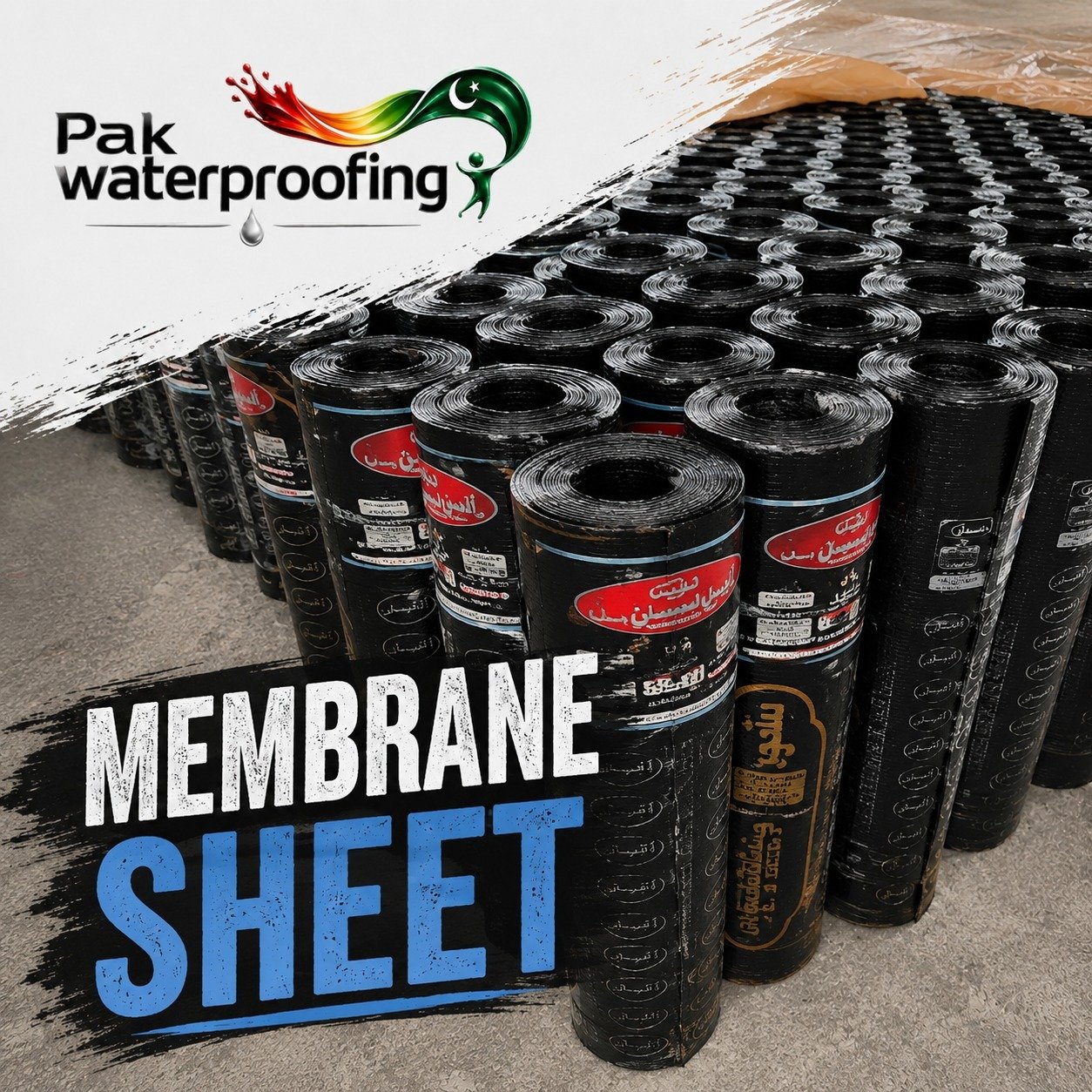
Membrane Sheet Roll: Sizes, Uses, Price
Water finds the weak spot eventually. A hairline crack in a foundation, a joint nobody sealed
properly, a low corner on a flat roof that always collects a puddle after rain give it a season or
two, and moisture gets in. That’s the whole reason a membrane sheet roll exists.
It’s a flexible waterproofing sheet, usually bitumen-based, rolled across foundations, basements,
and roofs before construction moves past that stage. Once it’s down, it sits there quietly doing
one job: keeping water out of places it shouldn’t reach.Membrane Sheet Roll: Sizes, Uses, Price
This piece covers sizes, current pricing, where the material actually gets used on site, and what
tends to separate a good installation from one that fails within a couple of years.
Size of Membrane Sheet Roll
A boundary wall that sees rain occasionally doesn’t need the same protection as a basement
sitting under constant groundwater pressure. Thickness is where that difference gets decided.
Here’s the current pricing:
Membrane
Thickness
Price 1mm Rs.6,500
2mm Rs. 7,500
3mm Rs. 8,500
4mm Rs.9,500
A 1mm tarkol membrane sheet roll works for lighter jobs. Storage rooms, low-moisture boundary
walls, that sort of thing. Once groundwater or heavy soil moisture enters the picture, most
contractors move to 3mm or 4mm without much back-and-forth.Membrane Sheet Roll: Sizes, Uses, Price
These numbers are a starting point, membrane sheet price moves with bitumen costs. And
whatever the supplier paid for raw material that month, so a Rs. 500 to Rs. 1,000 gap between
two quotes for the same thickness isn’t unusual. Worth checking two or three suppliers before
ordering in bulk
.
Use of Membrane Sheet Roll
Most people picture this as a roofing product. It shows up almost everywhere a structure
touches soil, water, or humidity.
Foundations take the heaviest load here. They sit in direct, permanent contact with soil that
holds moisture through most of the year, so a foundation waterproofing membrane roll is often
what keeps a wall dry instead of slowly crumbling from the inside out.
Basements deal with a similar fight, just below ground and under more pressure. In areas with a
high water table, that groundwater is pushing against basement walls constantly, rain or no rain.
Leave the membrane out and damp patches show up within a year, mold not far behind.
Underground water tanks and utility rooms face a quieter version of the same issue no airflow,
so trapped moisture just sits there working on the concrete over time. This is exactly where
waterproofing membrane sheets earn their keep, sealing things off before anyone notices a
problem building.
Roofs and slabs flip the direction of the threat. Water sits on top instead of pushing from below,
and flat roofs are the usual trouble spot since water pools wherever the surface dips, even
slightly.
There’s also plain damp-proofing for walls and floors that never touch standing water but sit in
humid conditions long enough to peel paint and soften plaster anyway.
Near a river, a canal, or anywhere with a naturally high water table, skipping this step tends to
catch up with a building within a couple of monsoon seasons. Not always. But often enough that
it’s not worth the gamble.
Size of Membrane Sheet Roll: 1 by 10 Meters
The standard roll runs 1 meter by 10 meters. Ten square meters of coverage per roll.
That fixed size actually makes planning simpler than it sounds. A 50 square meter foundation
wall works out to roughly five rolls, plus a bit extra for overlaps and corners that never cut
cleanly no matter how careful the crew is.
Overlap isn’t just good practice, it’s the part that decides whether seams hold. Industry standard
puts the minimum at 75mm to 100mm at every joint, pressed down firmly so no air pocket gets
trapped underneath. Skip that and there’s a gap right where two sheets meet which is,
predictably, where leaks tend to start first.Membrane Sheet Roll: Sizes, Uses, Price
Most experienced contractors order more than the exact math suggests. Pipe penetrations,
awkward angles, the occasional bad cut material disappears faster than the calculation implies.
Pak Waterproofing Services of Membrane Sheet Roll
Buying the right sheet is only half of it. Installation is what actually decides whether that material
does its job.
Pak Waterproofing handles installation with attention to the steps that get rushed when someone’s trying to save a day on schedule. A membrane is only as good as the surface
underneath it and the care taken while laying it down no way around that.
Surface prep comes first, and it’s the step skipped most often. Clean, dry, no sharp debris. A
single stone chip left under a sheet can puncture it within weeks once there’s foot traffic or the
ground starts settling.
Placement matters just as much as prep. Each sheet needs to sit flat, no trapped air, no loose
sections that shift later as the structure settles into itself.
Joints and overlaps are where installations quietly fail more than anywhere else. Proper overlap
at every seam, sealed well enough that water can’t trace a path along the line that’s the
difference between a membrane that lasts and one that fails by year two.
An installer who won’t shortcut these steps usually shows it in how the structure holds up years
down the line. Results still depend on site conditions, material choice, and how the building gets
used afterward, so nobody honest promises a guaranteed outcome regardless of installation
quality.
FAQs About Membrane Sheet Roll
What is a membrane sheet roll?
A flexible, usually bitumen-based waterproofing sheet rolled out over foundations, basements,
and roofs. It keeps soil and rain moisture away from the concrete underneath it.
What sizes are available?
Standard rolls run 1 meter by 10 meters, about 10 square meters of coverage. Thickness
ranges from 1mm to 4mm depending on how much moisture the site actually deals with.
How much does a membrane sheet roll cost?
Rs. 6,500 for 1mm, up to Rs. 9,500 for 4mm. Final pricing depends on the supplier and current
market conditions, so use these figures as a reference rather than a locked-in quote.
Where do these sheets get used?
Foundations, basements, underground water tanks, roofs, slabs, and general damp-proofing on
walls. Anywhere moisture is a long-term risk instead of a one-off event, basically.
How do I get this installed by Pak Waterproofing?
Share the site details and the area needing coverage. The right thickness gets recommended
from there, and installation runs from surface prep through final sealing.
Final Thoughts
Nobody admires a membrane sheet the way they admire a finished facade. It’s not that kind of
material. But it’s quietly deciding whether a foundation is still solid in fifteen years, or already
cracking in three.
The material itself isn’t complicated. Getting the thickness right for the site, sizing the order
properly, not rushing the installation that’s really where projects either hold up or start falling
apart early.Membrane Sheet Roll: Sizes, Uses, Price
If a new foundation is going in, or a basement’s already showing damp patches, or the next
monsoon season is a few months out, this is one of those decisions that’s hard to undo once the
concrete is poured over it. Talking to a waterproofing contractor early almost always costs less
than fixing the problem later.
Reviews
There are no reviews yet.