Bathroom waterproofing
Bathroom Waterproofing: Complete Guide
to Preventing Water Leakage
Introduction-Bathroom Waterproofing Guide Pak Waterproofing
Water damage doesn’t show up overnight. It’s a hairline crack you kept meaning to check, a grout line that’s felt slightly loose for months. Then there’s a stain on the ceiling and it’s suddenly a real project. That’s the entire case for , honestly. Get ahead of it now,
or pay more to fix it later.Bathroom Waterproofing Guide Pak Waterproofing
What Is Bathroom Waterproofing?
Bathroom waterproofing is a protective layer put on floors, walls, and joints so water stays where it’s supposed to instead of soaking into whatever’s underneath.
Think about how much water actually passes through a bathroom on an ordinary day. Showers.
Taps running. Mopping. Steam hanging around after a hot bath. All of that water needs somewhere to go, and if nothing’s stopping it, it works its way into the tiny gaps between tiles,
through grout, along joints down to the concrete slab, or through to the wall on the other side.
Leave that unchecked and eventually you’re looking at a weakened structure, damp patches that won’t dry, mold settling into corners. A waterproofing layer, applied properly before or during
tiling, is what stops that whole chain before it starts.
2 Common Leaks in the Bathroom Waterproofing Guide Pak Waterproofing
Two main sources, really.
Joint and grout failure is the more common one by a wide margin. Grout dries out over the
years, shrinks a little, cracks. Once that happens, water doesn’t need much of an opening. This shows up first on the shower floor most of the time, since that’s where water sits the longest.
The other is a plumbing leak behind walls, under the floor, at pipe fittings and joins. Harder to catch, because you simply can’t see it happening. More often than not, the first clue is a damp
patch on a ceiling downstairs, or a stain creeping across a wall in the next room.
Different starting points. Same result a small opening that only gets worse the longer it sits.
Most Affected Areas by Water Leakage in the Bathroom
A few spots in a bathroom just take more punishment than the rest. Worth starting here if you’re checking for trouble:
● Floor and wall joints, where two surfaces meet and slight movement over time pulls them apart
● Around the shower more constant, direct water exposure than anywhere else in the room
● Tile joints and grout, porous by nature, and they wear out well before the tiles do
● Around drains, where the seal between drain and floor tile is usually the first thing to fail
● Plumbing and pipe connections, which loosen gradually behind walls or under fixtures
● Corners, since they flex slightly with the building and crack sealant sooner than flat
surfaces do
Most leaks trace back to one of these six spots. Not all of them. Most.
How to Detect Leakage in the Bathroom
Leaks usually leave clues before they turn into a real problem. A damp patch on a wall or ceiling — especially in the room below or beside the bathroom is often the first thing people catch.
Paint bubbling or peeling near a bathroom wall is another one. So is a musty smell that just
won’t clear, no matter how much you air the room out.
Past that, it helps to check the surfaces themselves every now and then. Mold along grout lines
or tucked into corners. Tiles that feel loose, or sound hollow when you knock on them. Grout
that’s crumbly or missing in patches. And if none of that stands out but your water bill’s climbed
for no obvious reason that’s worth a second look too.
Any one of these on its own might not mean much. A few together, though, and it’s probably time to get someone in before it spreads.
Common Mistakes While Waterproofing the Bathroom
A badly done waterproofing job can end up costing almost as much as not doing one at all. And the same mistakes keep coming up.
Ignoring small cracks tops the list. They look harmless right up until they’re the reason water’s getting in. Poor surface prep is another waterproofing material needs a clean, dry, properly
primed surface to actually bond to, and skipping that step weakens everything applied on top of it. Joints and corners get sealed carelessly more often than they should, even though they flex
more than flat surfaces and need extra care, not less.
Then there’s the habit of waterproofing straight over an existing plumbing problem instead of fixing it first. That doesn’t solve anything. It just buys a little time before the leak comes back.
And a lot of people still assume tiles alone are enough. They’re not grout between tiles is porous, so without a waterproofing layer underneath, water gets through no matter how solid the tiles look on top.
Choosing the Right Bathroom Waterproofing Guide Pak Waterproofing
This is where having someone experienced on the job actually matters. Pak Waterproofing has spent years dealing with exactly these kinds of bathroom leakage issues grout that keeps
failing, walls that never seem to fully dry out.
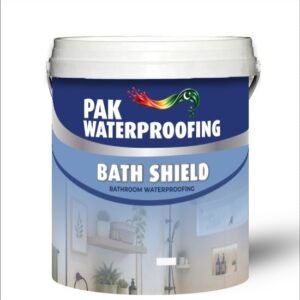
One option worth asking about is Bath Shield, a waterproofing product made for bathroom surfaces: floors, walls, joints, all of it. It’s built to be part of a proper waterproofing process,
applied correctly on a well-prepped surface, not something slapped on and hoped for the best. If there’s a leak already, or a bathroom being planned from scratch, it’s worth talking to a Pak Waterproofing professional about whether Bath Shield fits the situation.
Good waterproofing services were never about buying whatever’s most expensive on the shelf.
They’re about matching the right approach to the problem actually in front of you a shower floor,
a joint that keeps failing, a wall shared with the room next door.
Conclusion-Bathroom Waterproofing Guide Pak Waterproofing
Bathroom waterproofing isn’t something you do once and forget. It’s ongoing, and catching
problems early a hairline crack, a loose tile saves a much bigger repair bill down the road.
Whether it’s a bathroom being built from scratch or a leak that’s already there, knowing where
water damage tends to start puts you in a far better position. Not sure where to begin? A proper inspection is still the right first move.
Frequently Asked Questions About Bathroom Waterproofing Guide Pak Waterproofing
Why is bathroom waterproofing important?
It protects your home’s structure from long-term water damage, including weakened floors,
damp walls, and mold that can spread well past the bathroom itself.
Can bathroom tiles prevent water leakage?
Not really on their own. Grout between tiles is porous, so a proper waterproofing layer
underneath is still needed to actually keep water out.
How can I detect a hidden bathroom leak?
Watch for damp patches, peeling paint, musty smells, loose tiles, or mold around joints and corners. These tend to be the first signs something’s off.
When should bathroom waterproofing be done?
Ideally before tiling, during construction or renovation. If there’s already a leak, it’s best addressed as soon as the signs show up.
Can waterproofing help prevent washroom wall leakage?
Yes. Sealing floor-wall junctions and joints properly is one of the more effective ways to stop water traveling into the walls next door.
Showing all 3 results