
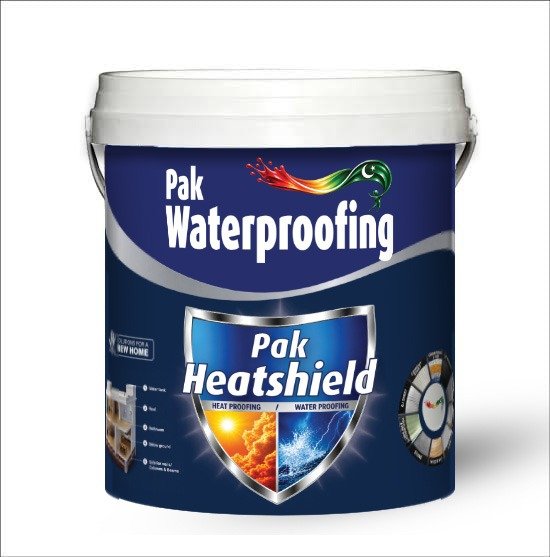
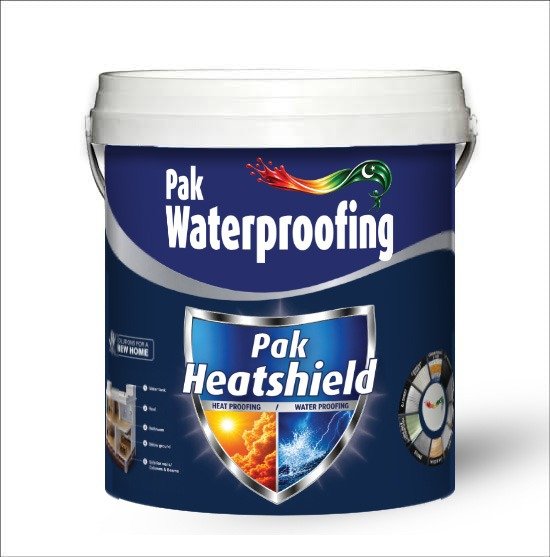
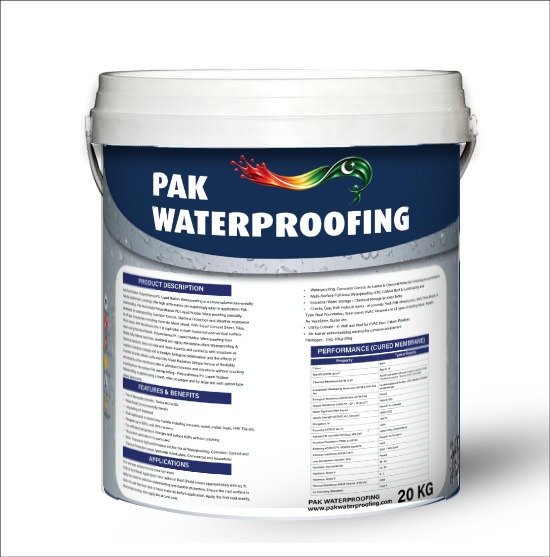
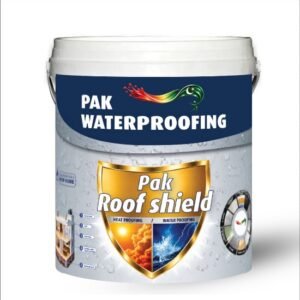
Pak Heat Shield-Roof Heat Proofing
Touch a bare concrete roof at 3 pm in June and you’ll understand the problem immediately. The
slab has been soaking up sun since morning, and it keeps radiating that heat into the room
below well past sunset. Top-floor bedrooms turn into ovens. This is the exact problem Roof
Heat proofing is supposed to solve, and one product worth knowing about is Pak Heat shield,
made by Pak Waterproofing.Pak Heat Shield-Roof Heat Proofing
So what is it, where does it go, and how’s it applied?
Description-Pak Heat Shield-Roof Heat Proofing
Pak Heat shield is an APEO-free, elastomeric waterproof coating built on UV cross-linkable
polyurethane chemistry. It goes on as a liquid. As sunlight hits it during curing, it forms one
continuous, elastic film across the roof surface.
Once that film has cured, you’re left with a membrane that’s both tough and flexible, and — this
is the important part reflects heat rather than absorbing it. Less heat soaked in means a cooler
room underneath, which is really the whole point of proper Roof Heat proofing. The membrane
also fights off dirt build-up and UV degradation, so it doesn’t go dull and patchy after one hot
season like a lot of cheaper coatings do.
And because it handles both the Heat reflective coating job and waterproofing in one product,
you skip the hassle of layering two separate treatments on the same roof.
This category shows up under a handful of other names too: Heat insulation paint, Roof cool
chemical, Solar reflector coating. Different labels, same basic idea — coatings meant to
knock down rooftop surface temperature.Pak Heat Shield-Roof Heat Proofing belongs to that family, and it’s
formulated to go on galvanized steel, pre-coated metal sheets, cement sheets, and concrete
roofs.
Standard Compliance / Specification
Here’s what we can actually confirm from the technical material available: it’s an APEO-free,
elastomeric polyurethane coating built on UV cross-linkable chemistry. Chemistry like that
usually signals a low-VOC, environmentally conscious product, though we don’t have
certification numbers or standard codes in front of us to point to. If your project needs formal
compliance paperwork, ask Pak Waterproofing for the current technical data sheet — that’s
really the only reliable source for it.
Areas of Application-Pak Heat Shield-Roof Heat Proofing
For Roof Heat proofing on different building types, Pak Heat shield is built for:
● Galvanized sheets and metal roofing panels
● Cement sheets
● Concrete roofs and cement screed surfaces
● Factories and industrial sheds
● Warehouses
● Shopping malls
● Clubs and similar commercial buildings
Being able to move between metal and concrete without switching products is genuinely useful
if you’re a facility manager dealing with mixed roof types on one site. It fits into Heat proofing
services more broadly, and it also sits in the wider bracket of Cool Roof chemical coatings
used across commercial and industrial buildings to bring rooftop surface temperature down.
Features & Benefits-Pak Heat Shield-Roof Heat Proofing
How this coating’s put together, and what that gets you:
● UV cross-linkable technology. It cures by reacting with sunlight building strength the
longer it’s exposed, not just drying off.
● High solar reflectance. This is what makes it an actual Heat reflective coating, not just
a pale-colored paint that looks the part.
● Cures into an elastic, durable membrane. It flexes slightly with the substrate instead of
cracking under it.
● Resists dirt pick-up, so you’re not staring at a grimy, patchy roof six months later.
● Resists algae and fungal growth matters most on flat or shaded sections where moisture
tends to hang around.
● Eco-friendly, APEO-free formulation.
People sometimes file reflective roof systems like this under Therminal insulation coating as
well, though that’s a bit generous it’s a thin reflective membrane, not a thick insulating layer, and
the distinction matters if you’re comparing it to actual insulation boards. There’s no warranty
information in the source material we’re working from, so we won’t pretend there is.
Metal Roof Coating System-Pak Heat Shield-Roof Heat Proofing
Every coating job lives or dies on how well the surface was prepped, and metal roofs are no
exception to that rule. Rust, flaking paint, dirt, grease — any of these will stop Pak Heat shield
from bonding the way it’s meant to on a GI or metal sheet. Clean, structurally sound, dry. That’s
the bar before anything goes on.
Method of Application
Roughly, here’s how the process runs:
1. Surface preparation a proper clean of the roof.
2. Removal of loose coatings, rust, dirt, and debris, so there’s a stable base
underneath.
3. Repair of damaged areas holes, dents, weak patches.
4. Sealing joints and gaps, closing off anywhere water could get in.
5. Primer application, wherever the surface calls for it.
6. Application of Pak Heat shield, in however many coats are recommended.
7. Drying and curing, before the roof takes any foot traffic or rain.
Exact recoat intervals and drying times don’t appear in what we have, so it’s worth pinning those
down with Pak Waterproofing before work starts.
Application
GI (Galvanized Corrugated) and Metal Sheets
On galvanized and metal sheets, expect a primer coat first, then the Pak Heat shield top coat
over it. The primer’s whole job is giving the coating something to grip on a surface that
otherwise resists bonding. We don’t have coverage rates or curing times specific to metal in the
source material — get those from the manufacturer once you know your project scope.
Cement Screed Roofs-Pak Heat Shield-Roof Heat Proofing
Cement screed needs a sound, prepared surface first. Cracks get dealt with, a suitable primer
goes down, then the coating builds up in layers on top. Same limitation as with metal — no
precise coverage or curing numbers here, so Pak Waterproofing is the right call for those.
Technical Information-Pak Heat Shield-Roof Heat Proofing
What’s confirmed: the core chemistry (UV cross-linkable polyurethane, elastomeric, APEO-free)
and the key traits elastic membrane, heat-reflective, resistant to dirt and UV exposure. What’s
missing is the hard data. Elongation and tensile strength tell you how far the membrane can
stretch before it tears.
Pull-off adhesion tells you how firmly it grips the substrate. Solid content, crack bridging, water
permeability, water absorption, weathering resistance, abrasion resistance, fire resistance, SRI
value none of that is in the material available to us. We’d rather say so plainly than guess at
numbers. Request the official technical data sheet from Pak Waterproofing if you need those
figures for real.
Theoretical Coverage-Pak Heat Shield-Roof Heat Proofing
Coverage isn’t one fixed number across every surface. Metal and concrete absorb material
differently, mostly down to porosity and texture rough concrete drinks up more product than
smooth metal sheeting does. We don’t have exact figures for either, so get current numbers
from Pak Waterproofing before ordering quantities for a job.
Packaging-20kg-100kh-200kg
Container sizes aren’t part of the technical material on hand which matters if you’re trying to
figure out how many units a big roof is going to need. Pak Waterproofing can walk you through
current packaging options.
Precautions & Limitations-Pak Heat Shield-Roof Heat Proofing
A handful of practical points for Roof Heat proofing work with this type of coating:
● Skip it if rain’s falling or expected before the coating’s had time to cure.
● Sort out standing or ponding water first a dry surface is non-negotiable for proper
bonding and curing.
● Keep drainage paths clear so water isn’t sitting on the coated surface afterward.
● Don’t rush surface prep, even when the schedule’s tight.
● Only work in suitable weather.
● Stick to the recommended thickness. Too thin and it won’t hold up; too thick and it can
crack or peel.
● Check the roof’s existing condition first badly deteriorated roofs may need repair before
coating makes sense at all.
● Give expansion and moving joints proper treatment so the coating doesn’t crack right
where it matters most.
Temperature thresholds for application aren’t in the source material, so confirm current
guidelines before working in extreme heat or cold.
Concrete Screed Roof
A concrete screed roof needs a few things checked before coating begins. Cracks and
damaged patches first coating over unrepaired damage just traps the problem underneath
instead of fixing it.
Joints and corners tend to be the weak points and deserve extra attention. Drains need to stay
clear so water actually leaves the roof rather than pooling on it. Curing and application
conditions matter here too, and since exact figures aren’t available, it’s worth confirming with
Pak Waterproofing for your specific roof.
Shelf Life & Storage
We don’t have specifics on shelf life or storage conditions for this particular product. As a
general rule, polyurethane coatings are sensitive to heat, humidity, and direct sunlight while still
sealed — which is why most manufacturers call for cool, dry, shaded storage. For the real
numbers on this one, check the technical data sheet or go straight to Pak Waterproofing.
Health & Safety-Pak Heat Shield-Roof Heat Proofing
The basics apply: protective equipment, a ventilated work area, and keeping the uncured
material off skin and out of eyes. Flash point, hazard classification, that kind of detail none of it
is in the source material, so check the safety data sheet or contact Pak Waterproofing directly
for those specifics.
Done properly prep work included, not skipped Roof Heat proofing with something like Pak
Heat shield can genuinely cut rooftop surface heat while protecting against water damage at
the same time. The prep is really where most jobs succeed or fail, more than the coating itself.
FAQs-Pak Heat Shield-Roof Heat Proofing
What is Pak Heat shield?
An APEO-free, elastomeric waterproof coating from Pak Waterproofing, built on UV
cross-linkable polyurethane technology. It cures into a tough, elastic, heat-reflective membrane.
Where can Pak Heat shield be applied?
Galvanized sheets, pre-coated metal sheets, cement sheets, concrete roofs. Commonly used
on factories, warehouses, shopping malls, and clubs.
How much area does Pak Heat shield cover?
Depends on the surface metal and concrete absorb material at different rates. No exact figures
in what we have, so confirm current rates with Pak Waterproofing.800 sqft one bucket 20kg
What is the packaging size of Pak Heat shield?
Not specified in the technical material we have. Pak Waterproofing can give you current
options.20kg-100kg-200kg
What is the price of Pak Heat shield?
Not specified in the source document. Contact Pak Waterproofing directly for current pricing 20kg RS 12500.
Reviews
There are no reviews yet.