
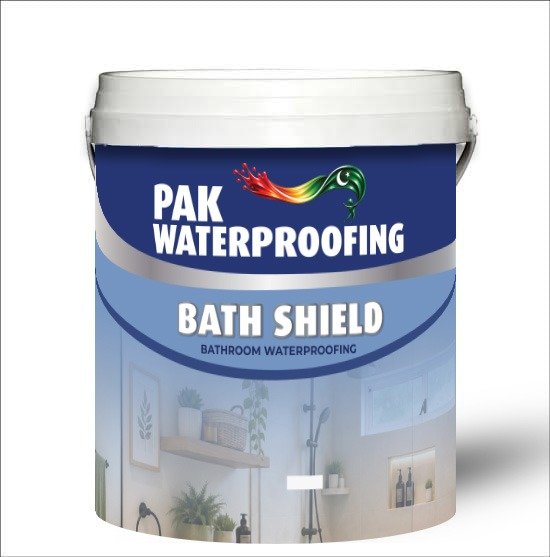
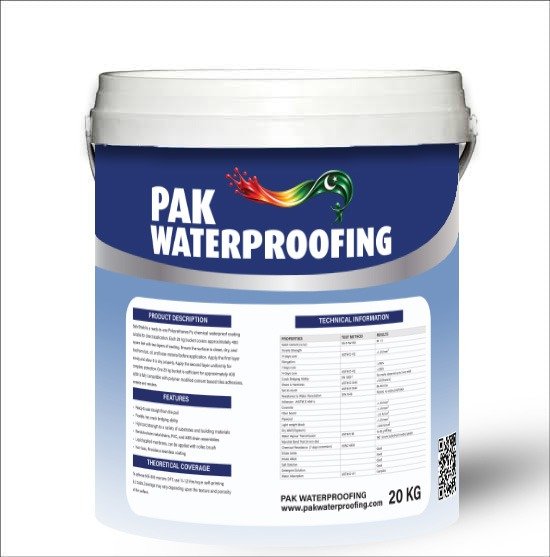
Pak Bath Shield Waterproofing:Features, Applications,
Application Process and Benefits
Water finding its way under bathroom tiles is one of the most common and most expensive
problems in home construction. Once moisture gets past the grout line, it works into the
concrete slab, drywall, and neighbouring rooms, leading to stains, mould, and repairs that go far
beyond a simple re-tiling job. The real fix isn’t a better tile; it’s proper bathroom waterproofing applied to the surface before anything else goes down. This Pak Bath Shield Waterproofing is where comes in a liquid-applied membrane made for bathrooms, toilets, kitchens, and other wet areas, offering builders and homeowners a straightforward bathroom leakage solution that doesn’t require complicated tanking systems.
What Is Pak Bath Shield Waterproofing?
Pak Bath Shield waterproofing is a ready-to-use, water-based elastomeric coating with fine
fillers that cures into a single, seamless membrane. Being a one-component (Pak Bath Shield Waterproofing) product,there’s no on-site mixing of separate parts, which cuts down on measuring errors and saves time. As a liquid waterproofing membrane, it’s built to sit under tiled finishes and is compatible with polymer-modified cement-based tile adhesives, screeds, and renders. It’s a solid example of liquid applied waterproofing for bathroom and other internal wet-area use, rather than a
product meant for roofs or basements making it practical Pak Bath Shield waterproofing for
bathrooms without needing specialist tools beyond a brush or roller.
Key Features of Pak Bath Shield
The product is ready to use straight from the pail, with good flow properties that make
application easier than thicker tanking compounds. It’s flexible, with crack-bridging ability, so
minor substrate movement doesn’t immediately compromise the coating. It bonds well to a
range of substrates, including clean metal drains, PVC, and ABS fittings a real advantage in
bathrooms full of plumbing penetrations.
As a Pak Bath Shield bathroom waterproofing membrane, it forms one continuous layer
rather than relying on overlapping joints, reducing the weak points where leaks typically start.
The cured film is non-toxic and seamless, forming a genuine bathroom waterproofing
membrane rather than a series of joined sheets.
Where Can Pak Bath Shield Waterproofing Be Used?
Typical applications include concrete surfaces, pre-fabricated bathroom pods, and drywall
partitions, functioning as a general waterproof coating for bathroom projects. It also suits waterproofing for toilets, waterproofing for kitchens, and waterproofing for laundry areas
anywhere water regularly meets a floor or wall before draining away. Being liquid rather than a
fixed-size sheet, it adapts well to irregular layouts, corners, and fittings common in these rooms.
Surface Preparation Before Waterproofing
Results depend heavily on preparation. Substrates must be clean, dry, and structurally sound,
with a finish roughly equivalent to a wood float or light broom finish. Oil, grease, dust, and loose
material need removing, and cracks or bug-holes should be filled beforehand.
Metal and PVC fittings are primed first for good bonding, and new concrete slabs need at least
six weeks’ cure time. Getting bathroom waterproofing before tile installation right at this
stage avoids costly rework later, and any waterproofing before tile installation work should
never start on a surface with unresolved defects.
How to Apply Pak Bath Shield Waterproofing
Knowing how to apply Pak Bath Shield correctly matters as much as the product itself rushed
coats are a common cause of early failure. The general waterproofing membrane application
starts with a self-priming coat, diluted 50% with water and mixed until lump-free.
Once cured, two undiluted coats follow by brush or roller, the second run at right angles to the
first. This layered approach to liquid applied waterproofing helps avoid pinholes, with corners
and pipe penetrations reinforced using a light geotextile fleece between coats.
Pak Bath Shield Waterproofing for Bathroom Floors
On floors, the membrane covers the full slab, including corners and drainage transitions.
Bathroom floor waterproofing with this coating typically reaches 500–600 microns dry film
thickness across the primer and two coats, at roughly 1.1–1.2 litres per square metre. The
coating is left to cure fully before floor falls are built up and tiling begins.
Pak Bath Shield Waterproofing for Shower Walls
Shower walls need more coverage than floors, since splashing reaches well above the base.
Waterproofing for shower walls generally extends to at least 1800 mm above the shower
floor, and further in open layouts without a screen or door. This kind of shower area
waterproofing a genuinely practical shower area waterproofing membrane for new builds
and renovations reduces the risk of water tracking sideways into adjoining rooms.
Waterproofing Around Pipes and Sanitary Fixtures
Pipes and fittings are where many leaks actually start. Waterproofing around pipes should
only begin once all sanitary fixtures and water lines are permanently fixed retrofitting around
plumbing added later disturbs the membrane. Concealed plumbing is bedded in cement-sand mortar, and penetrations through masonry are grouted to close gaps before the coating goes
over them.
Tile and Stone Installation Over Pak Bath Shield Waterproofing
Before tiling, the floor needs a proper fall toward the drain roughly a 10 mm drop per metre built
up with screed or tile adhesive. Under tile waterproofing like this allows tiles or stone to be
fixed directly onto the cured membrane with a compatible cement-based adhesive. Pak Bath
Shield waterproofing under tiles works this way because it’s formulated to bond with
polymer-modified adhesives directly, without a separate bonding layer.
Drying and Curing Time of Pak Bath Shield
At around 30°C and 85% relative humidity, the coating is touch-dry within 60–90 minutes, with
roughly 6 hours between coats. Full air curing before tiling takes about 5 days. Lower
temperatures and higher humidity both slow this down, so schedules should build in extra time
during cooler or damper weather.
Pak Bath Shield Coverage and Packaging
Pak Bath Shield is supplied in 4, 10, and 20-litre containers, covering everything from a single
bathroom to larger wet-area projects. Coverage sits around 1.1–1.2 litres per square metre for
the recommended dry film thickness, though it varies with substrate texture and porosity
rougher screeds absorb more product than smooth ones.
Technical Properties and Performance
For anyone comparing options, the data sheet is really where you find out whether something
qualifies as a best waterproofing membrane for wet areas, rather than relying on marketing
copy. Independent testing backs this bathroom waterproofing membrane up: tensile strength
of at least 1.5 N/mm2 and elongation above 250% after 14 days’ cure, crack-bridging without
cracking up to 3 mm, and Shore A hardness of 55 or higher.
It also carries compliance with the Australian Standard AS/NZS 4858 Class II classification as a
waterproofing membrane for wet areas in residential buildings, alongside Singapore HDB
technical requirements for toilets and bathrooms.
Precautions and Limitations
It shouldn’t be applied outside roughly a 10°C to 35°C range, since colder conditions affect film
formation and can cause colour variation. It’s never intended as an exposed wear surface it
must always be covered with tile or another permanent finish, which reinforces why bathroom
waterproofing coating work happens before, not instead of, tiling. On existing on-ground slabs
with relative humidity above 85%, checking with technical services first is recommended. A pond test, where used, only happens after five days of curing. Gloves and eye protection are
advised, standard practice for any waterproof coating for bathroom application.
Frequently Asked Questions About Pak Bath Shield Waterproofing
What is Pak Bath Shield used for?
It’s designed for internal wet areas bathroom floors and walls, waterproofing for toilets,
waterproofing for kitchens, and waterproofing for laundry areas anywhere water needs
stopping before it reaches the structure, ready for tiling over.
How is Pak Bath Shield applied?
By brush or roller, as two coats over a diluted self-priming layer, with the second coat at right
angles to the first once dry. This waterproofing membrane application typically achieves
500–600 microns dry film thickness.
Can it be used under bathroom tiles?
Yes it’s built for under tile waterproofing, and once cured, tiles or stone go directly onto the
membrane using a compatible tile adhesive.
How long does Pak Bath Shield take to cure?
Touch-dry in 60–90 minutes, roughly 6 hours between coats, and full air curing before tiling in
about 5 days longer in cool or humid weather.
How much does Pak Bath Shield cost?
The product datasheet doesn’t list a fixed retail price. Cost for a liquid waterproofing
membrane like this typically depends on packaging size (4, 10, or 20 litres), your supplier,
location, and current market conditions, so it’s best to contact a Pak Waterproofing supplier for
an up-to-date quote.
Conclusion-Pak Bath Shield Waterproofing
From bathroom floors to waterproofing for shower walls and waterproofing around pipes,
Pak Bath Shield covers most of what a typical wet area needs before tiling begins. It brings
together flexible, crack-bridging bathroom waterproofing with tested performance data,
straightforward brush-and-roller application, and packaging that scales from small residential
jobs to larger fit-outs. For anyone planning bathroom floor waterproofing or a full wet area waterproofing project,it’s worth reviewing the technical data sheet in detail and speaking with a supplier about the right coverage and packaging for the job at hand.
Reviews
There are no reviews yet.